SourcingAI

Bed hospital manufacturers

I have found results from400+products and200+suppliers aboutBed hospital

Sourcing guidance for Bed Hospital

What are the essential technical specifications to consider when selecting a hospital bed?

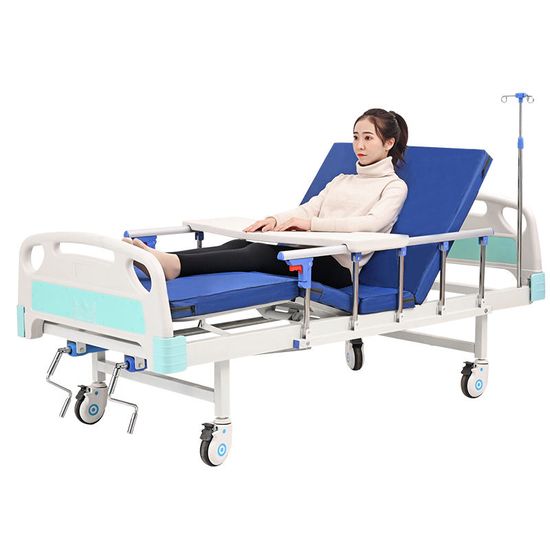
When procuring hospital beds, prioritize motor reliability (for electric versions) and structural load capacity. Ensure the bed supports a Safe Working Load (SWL) of at least 250kg. Key features should include multi-function adjustments (Backrest, Leg-rest, Hi-Low, Trendelenburg/Reverse Trendelenburg) powered by high-quality linear actuators like Linak or Timotion. Additionally, look for central braking systems, foldable or tuck-away side rails for patient safety, and removable ABS head/footboards for easy cleaning and emergency access.

Which international compliance standards must hospital beds meet for cross-border trade?

Medical furniture is strictly regulated. You must verify that the supplier holds ISO 13485 (Medical Devices Quality Management System). For specific markets, products must have CE Marking (EU), FDA Registration (USA), or TUV certification. Ensure the product complies with IEC 60601-2-52, which is the specific international standard for the basic safety and essential performance of medical beds.

How do I evaluate the durability and hygiene features of the bed materials?

The frame should be made of cold-rolled steel with an anti-bacterial powder coating to prevent cross-infection. The bed platform should ideally be perforated for ventilation. For the mattress, specify high-density foam with a waterproof, flame-retardant (BS5852 or CAL133), and breathable PU cover. Check that the castors are noise-free and wear-resistant, typically made of medical-grade synthetic rubber.

What are the typical usage scenarios for different types of hospital beds?

Selection depends on the ward type: ICU beds require 5-function electric controls with integrated weighing scales and X-ray translucent backrests. General Ward beds can be 2 or 3-function manual or electric. Home care beds often feature wooden finishes to blend with domestic environments but must still maintain medical-grade functionality. Always match the automation level to the nursing staff's capacity and the facility's power stability.

Cross-Border Procurement Risks and Strategic Advice

How can I mitigate the risks of shipping bulky medical equipment internationally?

Hospital beds are high-volume items. To optimize costs, request SKD (Semi-Knocked Down) packaging to increase container loading capacity. Ensure the supplier uses seaworthy reinforced plywood crates rather than simple cartons to prevent frame distortion during transit. For large projects, sourcing via Made-in-China.com allows you to utilize secured payment services and third-party inspection options to verify goods before they leave the factory.

What strategies should be used when negotiating with medical furniture suppliers?

Focus on the warranty period and spare parts availability. Negotiate for a 2-5% free-of-charge spare parts kit (including extra motors, handsets, and castors) with bulk orders. Ask for volume-based discounts; typically, orders exceeding 50 units can see a price reduction of 10-15%. Demand a detailed QC report and a video of the load-bearing test as a condition for the final balance payment.

How do I ensure transaction security and supplier legitimacy?

Always verify the supplier's Business License and Medical Device Production License. Use Made-in-China.com's 'Audit Reports' to check the factory's actual production capacity and R&D strength. Avoid direct wire transfers to private accounts; always use official corporate accounts or the platform's secure escrow services to ensure your funds are protected until the bill of lading is issued.

What are the key considerations for customs clearance and local regulations?

Medical beds are often classified under HS Code 940290. Check if your country imposes special medical device import duties or requires local registration (e.g., ANVISA in Brazil or SFDA in Saudi Arabia). Ensure all labels, user manuals, and control panel text are translated into the destination language to avoid customs delays and ensure end-user safety.

Related queries