
Satisfies 1 requirement
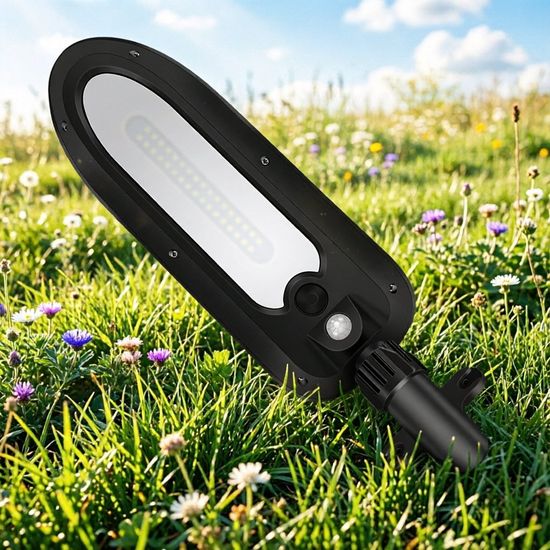
High Quality Solar Powered LED Wall Washer Lamp Lantern Outdoor Garden Villa Wall Lighting with LED Lighting
US$1.00
1 Piece(MOQ)

I have found results from100000+products and50000+suppliers aboutSolar outdoor lighting




When sourcing solar lighting, the most critical components are the Photovoltaic (PV) Panel, the Battery, and the LED Chip. You should prioritize Monocrystalline Silicon panels over Polycrystalline for higher conversion efficiency (up to 22%). For energy storage, Lithium Iron Phosphate (LiFePO4) batteries are superior to lead-acid or standard Li-ion due to their longer cycle life (2000+ cycles) and better thermal stability. Ensure the LED chips have a high luminous efficacy, ideally above 150lm/W, to maximize brightness while minimizing power consumption.
Check the Ingress Protection (IP) rating; for outdoor use, a minimum of IP65 is required to ensure protection against dust and low-pressure water jets, while IP67 is preferred for areas prone to heavy rain or flooding. Additionally, verify the working temperature range, especially if the lights will be installed in extreme climates. For coastal areas, ensure the housing material is anti-corrosion treated (e.g., ADC12 aluminum with powder coating) to prevent salt spray damage.
For the US market, look for UL or ETL certification for safety and FCC for electromagnetic compatibility. For the EU, CE (LVD/EMC) and RoHS are mandatory. If you are targeting government projects or high-end commercial bids, DLC (DesignLights Consortium) qualification is often required as it signifies high energy efficiency and quality. Always request IEC 62133 reports for the lithium batteries to ensure transport and usage safety.
Autonomy refers to the number of days the light can function without sunlight. A professional supplier should provide a system calculation sheet showing the ratio between battery capacity and daily power consumption. For reliable performance, the system should offer at least 3-5 nights of backup during rainy or cloudy days. Ask for IES files to simulate lighting distribution and ensure the 'Smart Power Management' (e.g., MPPT controllers) can dim the lights automatically to save energy when the battery is low.
The most frequent risk is capacity fraud, where suppliers mislabel battery mAh or solar panel wattage. To mitigate this, require a Golden Sample for third-party lab testing before mass production. Another risk involves shipping hazards; since batteries are classified as Class 9 Dangerous Goods, ensure the supplier provides a valid UN38.3 test report and MSDS to avoid customs seizures or shipping delays.
Focus your negotiation on component transparency. Instead of just haggling on the final price, specify the brand of the LED chips (e.g., Bridgelux, Osram) and the grade of the battery cells (Grade A only). Use the Secured Trading services on Made-in-China.com to hold payment in escrow until the goods pass a pre-shipment inspection (PSI) conducted by a third-party agency like SGS or Intertek.
Solar street lights are often bulky and heavy, making sea freight the only economical option for bulk orders. Request SKD (Semi-Knocked Down) packaging to reduce shipping volume and save on freight costs. Ensure the packaging passes the ISTA 3A drop test, as solar panels are fragile. For the final destination, confirm if your country imposes Anti-Dumping Duties (ADD) on Chinese-made solar cells, as this can significantly impact your landed cost.