
Satisfies 1 requirement
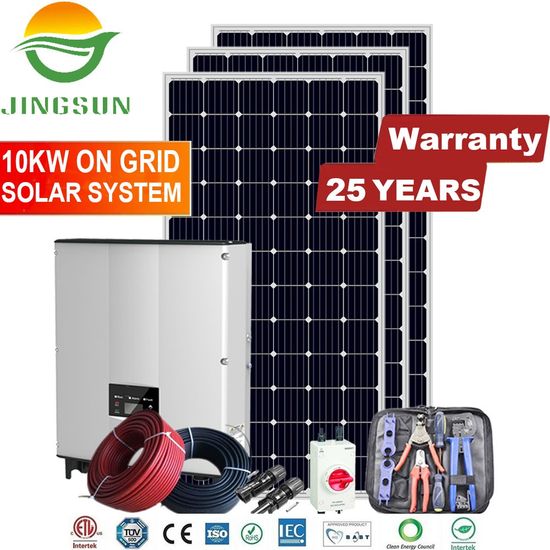
10kw 50kw 100kw off Grid Solar Home Lighting System with 480 Watt Solar PV Panel Inverter MPPT Controller Gel Battery Storage
US$0.20-0.30
1,000 watt(MOQ)

I have found results from100000+products and30000+suppliers aboutSolar home lighting systems




Selecting a reliable Solar Home Lighting System (SHLS) requires balancing battery technology, photovoltaic (PV) efficiency, and regional compliance. Buyers should prioritize systems using Lithium Iron Phosphate (LiFePO4) batteries, as they offer over 2,000 charge cycles compared to the shorter lifespan of lead-acid alternatives. Ensure the solar panels are monocrystalline for higher conversion rates in low-light conditions. For professional sourcing, verify that the system includes Overcharge and Over-discharge Protection (BMS) to prevent fire hazards and extend product longevity.
Products must adhere to international safety and performance benchmarks. Look for IEC 62257-9-5 certification, which is the gold standard for off-grid solar products. For the US market, UL 2743 is critical for portable power packs, while the EU market requires CE, RoHS, and REACH compliance. Ensure the Ingress Protection (IP) rating is at least IP65 for outdoor components like panels and lamps to guarantee dust and water resistance in tropical or harsh environments.
Analyze the Total Cost of Ownership (TCO) by calculating the cost per lumen-hour over the battery's expected lifespan. While LiFePO4 systems have a higher upfront cost, their lower replacement frequency makes them more economical over a 5-year period. Seek suppliers on Made-in-China.com that offer tiered pricing, where bulk orders of 500+ units can yield discounts of 20-35%. Always factor in the luminous efficacy (lm/W); higher efficacy means smaller batteries can be used to achieve the same brightness, reducing shipping weight and costs.
SHLS are primarily used for rural electrification, emergency backup, and outdoor camping. For residential use, systems should support USB mobile charging ports and have at least 3-4 LED bulb outputs. For commercial or humanitarian projects, prioritize Pay-As-You-Go (PAYGO) integration, which allows users to unlock the system via keypad codes or GSM modules, facilitating micro-financing business models.
The biggest risk involves Dangerous Goods (DG) logistics. Batteries are classified under UN3480 (Lithium-ion) or UN3481 (Lithium-ion packed with equipment). You must ensure the supplier provides a valid UN38.3 Test Report and MSDS (Material Safety Data Sheet). Failure to provide these will lead to customs seizure or rejection by shipping lines. Always confirm the State of Charge (SoC) is below 30% for air freight as per IATA regulations.
Focus on component transparency. Ask for the specific brand of the LED chips (e.g., Bridgelux or Osram) and the battery cell grade (Grade A is essential). Negotiate a 1-2% spare parts allowance (extra bulbs, cables, or remotes) to be included in the container at no extra cost to handle local warranty claims without shipping individual replacements back to China.
Utilize Secured Trading Services on Made-in-China.com to protect your payments until the goods are shipped. Conduct a Pre-Shipment Inspection (PSI) focusing on a battery capacity discharge test and a waterproof seal check. Never release the final 70% payment until a third-party inspector confirms the actual battery capacity matches the datasheet.
Be aware of Anti-Dumping Duties (ADD) and Countervailing Duties (CVD) that some regions (like the US or EU) impose on Chinese-made solar cells. To mitigate this, check if the supplier has production facilities in Southeast Asia or if the product qualifies under specific Green Energy tax exemptions in your destination country. Always verify the HS Code (typically 851310 or 850131) with your local customs broker to determine the exact duty rate.