
Satisfies 1 requirement
Cost Effective Solar Aluminum Standard Rail for Solar Energy Support System
US$8.26-9.12
100 pieces(MOQ)

I have found results from200000+products and80000+suppliers aboutSolar energy cost


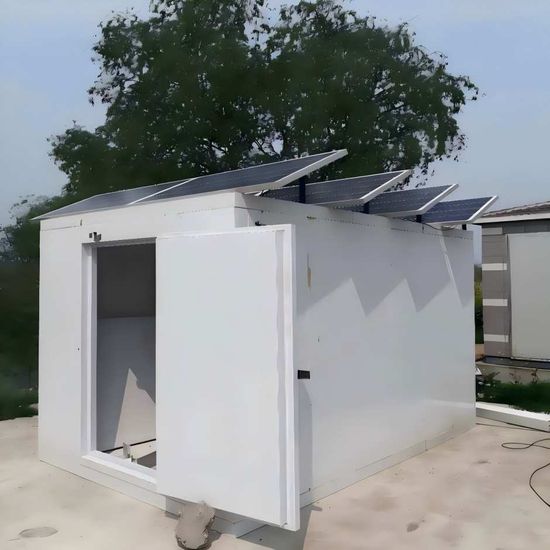


When assessing solar energy costs, you must look beyond the initial price per watt. For Solar Panels, prioritize Monocrystalline PERC or N-Type TopCon technology for higher efficiency (21%+). Check the Power Tolerance (should be positive, e.g., 0~+5W) and the Temperature Coefficient (lower is better for hot climates). For Inverters, ensure they have a Peak Efficiency of >97% and support MPPT (Maximum Power Point Tracking). Always verify that the LCOE (Levelized Cost of Energy) is calculated over a 25-year lifespan to ensure long-term economic feasibility.
To ensure safety and grid compatibility, products must adhere to strict standards. For global markets, IEC 61215 (terrestrial PV modules design qualification) and IEC 61730 (safety qualification) are essential. For the US market, UL 1703 or UL 61730 is required, along with IEEE 1547 for grid interconnection. Ensure the supplier provides TÜV or Intertek test reports. Sourcing from Made-in-China.com allows you to filter for suppliers with ISO 9001 and ISO 14001 certifications to guarantee manufacturing consistency.
The application dictates the component choice and cost structure. Off-grid systems require expensive Deep-cycle Lithium (LiFePO4) batteries and charge controllers, significantly increasing the upfront investment. On-grid systems are more cost-effective due to the absence of batteries but require Anti-islanding protection and local utility approval. For Industrial/Commercial scenarios, focus on High-voltage strings to reduce wiring costs and Bifacial modules if installing on reflective surfaces (like white TPO roofs) to gain up to 30% extra energy yield.
A low-cost solar product often hides poor durability. Demand a Linear Performance Warranty of 25 years (guaranteeing ~80-85% output) and a Product Workmanship Warranty of at least 10-12 years. For mounting structures, ensure they are Hot-dip Galvanized Steel or Anodized Aluminum to prevent corrosion. In coastal areas, verify Salt Mist Corrosion Testing (IEC 61701). High-quality MC4 connectors and IP68-rated junction boxes are critical to prevent fire risks caused by moisture ingress.
The biggest risks include shipping damage (micro-cracks) and non-compliance with local grid codes. To mitigate these, mandate Tier 1 brand components or equivalent quality. Use Third-party Pre-shipment Inspections (PSI) to conduct EL (Electroluminescence) testing on-site to detect invisible cell cracks. Ensure the Incoterms are clearly defined; CIF or DDP are common, but FOB gives you more control over the shipping line's handling quality. Always use Secure Payment terms like those offered on Made-in-China.com to protect your capital until shipping documents are verified.
Negotiation should focus on Volume-based Tiers and Component Transparency. Ask for a Bill of Materials (BOM) to see if they use genuine DuPont Tedlar backsheets or MC4 original connectors. You can often negotiate a 5-10% discount by committing to an annual volume rather than a single spot order. Additionally, negotiate for 2% spare parts (extra modules or fuses) to be included in the container to cover potential transit breakage, which is more cost-effective than filing insurance claims for small amounts.
Solar panels are classified as Heavy and Fragile cargo. Ensure the supplier uses Vertical Pallet Packaging with corner protectors to prevent stacking pressure. Be aware of Anti-dumping and Countervailing Duties (AD/CVD) which vary by country (e.g., US, EU, India). Check if your country offers Green Energy Subsidies or VAT exemptions for solar imports, as this significantly impacts your final landed cost. For shipping to remote areas, consider Hybrid Inverters that are easier to install, reducing local labor costs.