
Satisfies 1 requirement
Factory Wholesale Work Lights, Camping and Fishing Lights, Emergency Lights, Rechargeable Outdoor Waterproof LED Solar Floodlights
US$2.40-3.40
10 Pieces(MOQ)

I have found results from80000+products and20000+suppliers aboutSolar emergency light


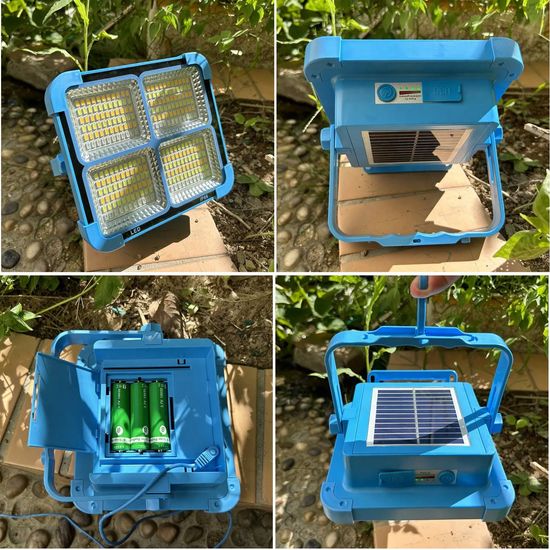


When sourcing solar emergency lights, the battery is the most critical component. You should prioritize Lithium Iron Phosphate (LiFePO4) batteries over traditional Lead-acid or standard Li-ion batteries. LiFePO4 offers a longer cycle life (2000+ cycles), better thermal stability, and is more environmentally friendly. Ensure the battery capacity matches the intended discharge time, typically requiring at least 6-8 hours of continuous illumination on a full charge.
Look for Monocrystalline Silicon solar panels, which have a higher conversion efficiency (19%-22%) compared to Polycrystalline panels (15%-17%). This is crucial for emergency lights that may need to charge quickly in low-light or overcast conditions. Verify that the panel is protected by tempered glass and has an IP65 or IP67 waterproof rating to ensure durability against outdoor elements.
For the US market, ensure the products are UL 924 listed (Standard for Emergency Lighting and Power Equipment) and FCC certified. For the EU, CE marking (LVD and EMC directives) and RoHS compliance are mandatory. Since these products contain batteries, a UN38.3 test report and MSDS (Material Safety Data Sheet) are essential for legal and safe international shipping.
High-value models should include PIR Motion Sensors to conserve energy and Auto-on/off light sensors. For industrial or disaster-relief use, look for multi-mode brightness settings, USB output ports for emergency phone charging, and SOS flash modes. A battery level indicator is also a vital feature for users to monitor readiness during power outages.
Solar emergency lights are classified as Dangerous Goods (DG) due to their lithium batteries. You must ensure the supplier provides proper DG packaging and works with carriers experienced in handling UN3481 (Lithium ion batteries contained in equipment). Failure to provide the correct MSDS and Sea/Air Freight Transport Certificates can lead to customs seizures or significant shipping delays.
Focus on Audited Suppliers who have undergone on-site inspections by third-party agencies like SGS or TÜV Rheinland. Review their Audit Reports specifically for 'Production Capacity' and 'Quality Control.' It is highly recommended to use Secured Trading Services on Made-in-China.com to protect your payment until the goods are confirmed to meet your specifications.
Negotiate based on Total Cost of Ownership (TCO) rather than just the unit price. Ask for a breakdown of costs including the LED chip brand (e.g., Bridgelux or Lumileds) and battery grade. For orders exceeding 500 units, aim for a 10-15% discount, or negotiate for customized OEM packaging and logo printing to be included in the standard price to increase your brand value.
Always arrange a Pre-Shipment Inspection (PSI). Instruct the inspector to perform a battery discharge test on a random sample to verify the actual working hours versus the advertised specs. Also, conduct a waterproof test (IP test) and a drop test to ensure the housing can withstand the rigors of international logistics and outdoor use.