
Satisfies 1 requirement
Manufacturer Mono Propylene Glycol Pg 57-55-6 Liquid USP Food Grade Bulk Price
US$2.00-10.00
1 kg(MOQ)

I have found results from6000+products and2000+suppliers aboutPropylene glycol usp price


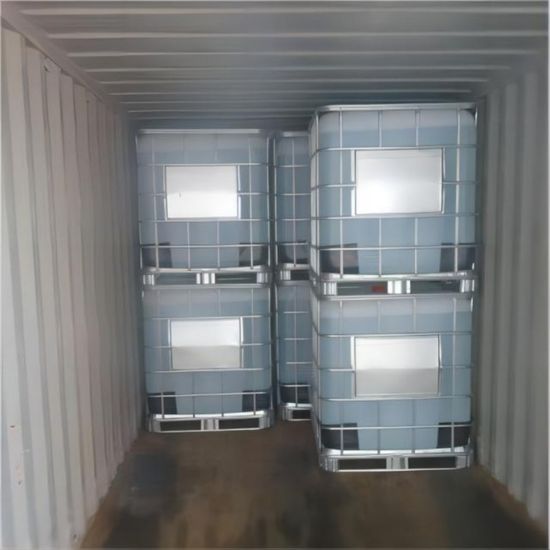

Propylene Glycol (PG) intended for food, pharmaceutical, or cosmetic use must meet USP (United States Pharmacopeia) or EP (European Pharmacopoeia) standards. The purity level should be ≥99.7%. Key parameters to verify include heavy metal content (specifically Arsenic and Lead <1ppm), moisture content (<0.2%), and refractive index (1.431–1.433). Always request a Certificate of Analysis (COA) for every batch to ensure it is 'Food Grade' or 'Pharma Grade' rather than 'Industrial Grade'.
The application dictates the necessary certifications. For food additives or e-liquids, you must ensure the supplier has HACCP or ISO 22000 certification. For pharmaceutical excipients, look for GMP (Good Manufacturing Practice) compliance. If the product is for personal care (cosmetics), verify that it is non-irritating and meets REACH standards for the EU market. Using industrial-grade PG in these scenarios can lead to severe legal and health risks.
Price is primarily driven by feedstock costs (Propylene Oxide) and purity levels. USP grade is more expensive than industrial grade due to the refined distillation process and stringent testing. Additionally, packaging types (e.g., 215kg steel drums vs. 1000kg IBC tanks) and order volume significantly impact the unit price. Buyers should monitor the global petrochemical market trends to time their bulk purchases effectively.
Beyond the COA, you must obtain a Safety Data Sheet (SDS) compliant with the GHS (Globally Harmonized System). For shipments to the US, ensure the supplier is FDA registered. For the EU, REACH registration is essential. If the product is claimed to be Kosher or Halal, valid third-party certificates must be provided to satisfy specific market entry requirements.
Chemical 'swapping' is a risk where industrial grade is labeled as USP. To prevent this, conduct a pre-shipment inspection (PSI) through agencies like SGS or Intertek. Use Made-in-China.com's Secured Trading services to ensure payment is only released after quality verification. Always ask for a sample from the current production lot before placing a full container load (FCL) order.
Focus on long-term contract pricing rather than spot prices to avoid market volatility. Negotiate payment terms such as 30% deposit and 70% against the Bill of Lading (B/L). For large-scale buyers, ask for volume-based rebates. Ensure the supplier clarifies whether the price is FOB (Free On Board) or CIF (Cost, Insurance, and Freight), as liquid chemical shipping rates fluctuate frequently.
Propylene Glycol is hygroscopic (absorbs moisture from air), so it must be stored in tightly sealed, original containers in a cool, dry place. During transit, ensure the use of clean, dedicated tanks or new drums to prevent cross-contamination. While PG is generally classified as non-hazardous for transport, you must still verify the IMO/IMDG codes with your freight forwarder to ensure smooth customs clearance.
Verify the supplier's Business License and Export Qualification. Prioritize Audited Suppliers on Made-in-China.com, as these companies have undergone on-site verification of their facilities and legal status. Avoid using untraceable payment methods; instead, use Letter of Credit (L/C) or Escrow services to protect your capital against non-delivery or quality disputes.