
Satisfies 1 requirement
Limestone Concrete Ball Mill Gold Iron Ore Grinding Mill Potassium Feldspar
US$80.00-100.00
50 Tons(MOQ)

I have found results from90000+products and20000+suppliers aboutGold ore minerals price


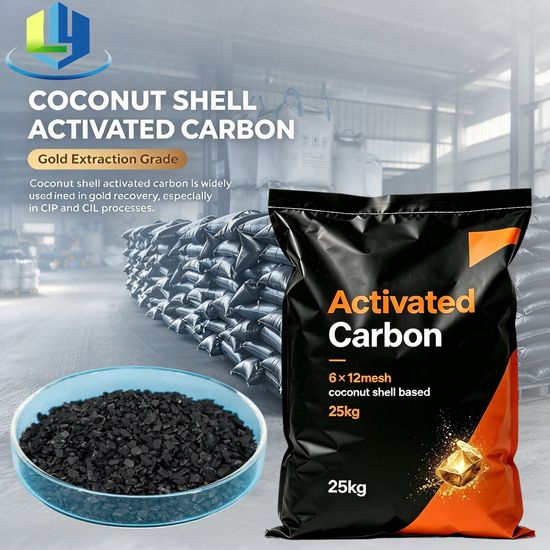


The most critical factor is the Gold Grade (Au content), typically measured in grams per ton (g/t). Buyers must distinguish between high-grade (>10 g/t), medium-grade (4-10 g/t), and low-grade (<4 g/t) ores. Additionally, analyze the mineralogical composition (e.g., oxide vs. sulfide ores) as this dictates the recovery rate and the required extraction technology (cyanidation, flotation, or gravity separation). Ensure the moisture content is clearly defined to avoid paying for water weight during shipping.
Suppliers must provide a Certificate of Analysis (COA) issued by a reputable third-party laboratory like SGS, Intertek, or Alex Stewart. For cross-border legitimacy, ensure the supplier holds a valid Export License from their local Ministry of Mines. Furthermore, compliance with the OECD Due Diligence Guidance for Responsible Supply Chains of Minerals from Conflict-Affected and High-Risk Areas is mandatory to ensure the ore is 'Conflict-Free'.
Pricing is rarely a fixed flat rate; it is usually based on the London Bullion Market Association (LBMA) spot price at the time of assay. The formula generally involves: (Gold Content x Recovery Rate x LBMA Price) minus (Treatment Charges (TC) and Refining Charges (RC)). Buyers should negotiate the Payable Gold Percentage, which typically ranges from 90% to 98% depending on the ore complexity and volume.
It is vital to check for deleterious elements such as Arsenic (As), Mercury (Hg), and Antimony (Sb). High levels of these impurities can lead to environmental penalties at smelters or significantly higher refining costs. Always request a full ICP (Inductively Coupled Plasma) analysis to identify the presence of other valuable by-products like Silver (Ag) or Copper (Cu), which could add value to the shipment.
The primary risk is Assay Fraud, where the delivered ore grade is lower than the sample. To mitigate this, use Escrow payment services or Letters of Credit (L/C) that only release funds upon destination port inspection results. Never rely solely on the seller's loading-port assay. Additionally, verify the supplier's history on Made-in-China.com to ensure they are a verified manufacturer or licensed exporter with a proven track record.
Given the weight, Sea Freight is the only economically feasible method. Use Incoterms like FOB (Free On Board) to maintain control over the shipping line and insurance. Ensure the ore is packed in UN-approved big bags (FIBC) or shipped in lined 20ft containers to prevent leakage and contamination. Always insist on Marine Cargo Insurance covering 110% of the invoice value.
Start with a trial order (e.g., 1-5 tons) before committing to large-scale monthly contracts. Utilize Secured Trading Services provided by platforms like Made-in-China.com to protect your capital. Conduct a factory or mine site audit via a professional third-party inspector to confirm the existence of the mine and the processing facilities, ensuring the supplier is not a 'ghost' intermediary.
Buyers must stay updated on Export Duties imposed by the sourcing country, as some nations (especially in Africa and SE Asia) frequently change taxes to encourage local smelting. Also, check the Import Tariffs and VAT in your destination country. Ensure all documentation, including the Bill of Lading, Commercial Invoice, Packing List, and Certificate of Origin, is perfectly aligned to avoid Customs seizures or lengthy delays.