
Satisfies 1 requirement
15kg Two-Component Factory Crystal Clear Ab Epoxy Resin for Handmade Wood Deep Pour River Table
US$3.00-4.50
100 kg(MOQ)

I have found results from10000+products and4000+suppliers aboutEpoxy resin for wood table


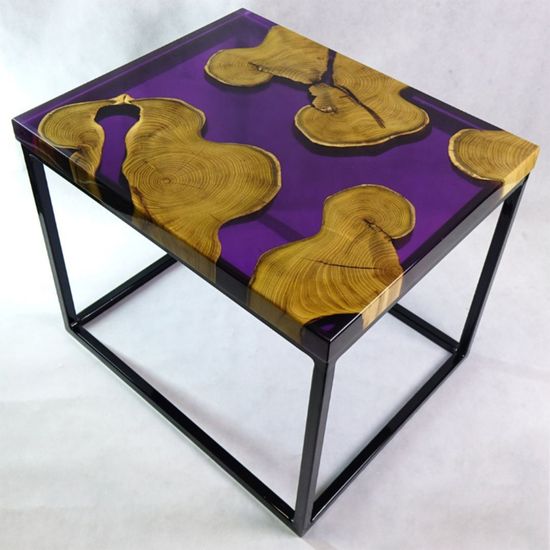


When sourcing epoxy for river tables or wood coatings, you must prioritize viscosity and pour depth. For deep pours (river tables), select a low-viscosity resin that allows for a single pour of 2-4 inches without overheating. Ensure the mixing ratio (usually 2:1 or 3:1 by volume) is strictly followed. Additionally, look for UV resistance (HALS technology) to prevent yellowing over time and a Shore D Hardness rating of 80+ to ensure the surface is scratch-resistant and durable for daily use.
Compliance is critical for furniture. You should verify that the supplier provides FDA food-grade certification if the table will be used for dining. Ensure the product is VOC-free (Volatile Organic Compounds) and has passed REACH or RoHS testing to guarantee it does not emit toxic fumes after curing. Always request a Material Safety Data Sheet (MSDS) to confirm the chemical composition meets your local environmental standards.
To minimize defects, choose resins with excellent air release properties and a slow curing time (48-72 hours); slower exothermic reactions prevent the wood from warping or the resin from cracking due to heat. High-quality resins should also feature superior wetting ability, ensuring the liquid penetrates the wood pores to create a strong mechanical bond, preventing delamination between the wood and the epoxy.
Epoxy resin is classified as a liquid chemical, which may be subject to Dangerous Goods (DG) regulations depending on the flashpoint. You must ensure the supplier provides a Certification for Safe Transport of Chemical Goods. For cost-efficiency, sea freight is recommended, but ensure the packaging is leak-proof and temperature-controlled, as extreme heat during transit can trigger premature polymerization.
Prioritize Audited Suppliers on Made-in-China.com who have undergone third-party inspections by SGS or TÜV Rheinland. Before placing a bulk order, always request a 1kg sample to test the clarity and hardness. Use Secured Trading services to protect your payment until the goods are verified. Check the supplier's export experience to your specific region to ensure they understand your local customs documentation requirements.
When negotiating, focus on the solid content percentage—cheaper resins often contain solvents that lead to shrinkage. Ask for tiered pricing based on volume (e.g., 500kg vs. 1000kg) to reduce the unit cost. To guarantee quality, include a clause in your contract requiring the batch to match the refractive index and viscosity of the approved sample, and consider a pre-shipment inspection to check for container integrity and batch numbers.