
Satisfies 1 requirement
China Manufacturer Supply Cocoa Extract Raw Cacao Powder
US$6.20-6.50
1,000 kg(MOQ)

I have found results from30000+products and10000+suppliers aboutCocoa powder in china


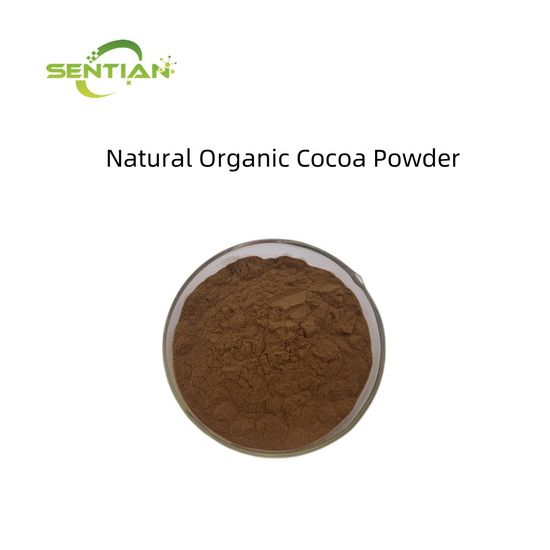


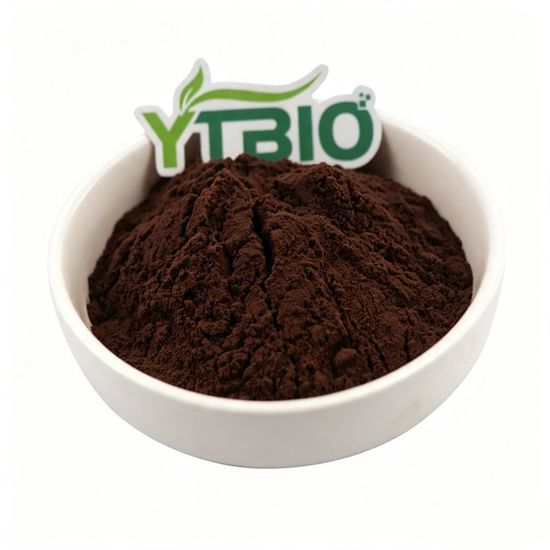


When evaluating cocoa powder, the most critical factor is the fat content, typically categorized as Low Fat (10-12%) or High Fat (20-24%). You must also specify the pH level, which distinguishes between Natural Cocoa Powder (pH 5.0-5.8), known for its acidic and fruity notes, and Alkalized (Dutched) Cocoa Powder (pH 6.0-8.5), which offers a darker color and milder flavor. Additionally, ensure the fineness meets a standard of 99% passing through a 200-mesh screen to guarantee smooth texture in final applications.
Suppliers must provide HACCP and ISO 22000 certifications to ensure food safety management. For specific markets, look for FDA registration (USA) or EFSA compliance (EU). If your brand targets niche markets, verify Halal, Kosher, or Organic (USDA/EU) certifications. Always request a Certificate of Analysis (COA) for every batch to check for heavy metals like Lead and Cadmium, which are strictly regulated under Proposition 65 and EU Regulation 1881/2006.
For beverages and dairy, Alkalized cocoa powder is preferred due to its superior solubility and dark color. In baking, the choice depends on the leavening agent: Natural cocoa powder reacts with baking soda, while Alkalized cocoa requires baking powder. For confectionery and chocolate coatings, high-fat cocoa powder is essential for a richer mouthfeel and better flavor release.
A high-quality powder should have a uniform color without visible white spots (which indicate mold or poor mixing). The aroma should be pure and chocolatey, without any smoky or musty off-odors. Perform a dispersibility test in warm water; quality powder should not clump excessively. Lastly, check the moisture content, which should be below 5% to prevent microbial growth and clumping during storage.
The biggest risks are adulteration (mixing with starch or shells) and moisture damage during transit. To mitigate this, use third-party inspection services (like SGS or Intertek) to conduct pre-shipment testing. Ensure the supplier uses multi-layer kraft paper bags with inner PE liners and includes desiccants in the container to prevent 'container rain' during sea freight.
Focus on volume-based pricing tiers; ordering in full container loads (FCL) can reduce unit costs by 15-20% compared to LCL due to lower logistics overhead. Request tiered pricing based on the ICCO (International Cocoa Organization) market index to ensure transparency. For long-term partnerships, negotiate a fixed-price contract for 6-12 months to hedge against the volatility of raw cocoa bean prices.
Always conduct transactions through secure payment channels provided by reputable B2B platforms like Made-in-China.com, utilizing their secured trading services. Use Letters of Credit (L/C) for large first-time orders to ensure payment is only released upon verification of shipping documents. Avoid direct transfers to private bank accounts; ensure the beneficiary name matches the company name on the business license.
Cocoa powder is a food product, so you must ensure the HS Code (typically 1805.00) is correctly declared to avoid customs delays. Provide a Phytosanitary Certificate and a Health Certificate issued by the Chinese authorities (GACC). For shipping, choose cool and dry stowage (away from the engine room) to prevent fat melting or flavor degradation. Ensure labels comply with the destination country's language and nutritional labeling laws.